The Bharatiya Sakhshya Adhiniyam:Fair Trial in Digital Age

The BSA is a step towards modernizing India’s legal system with digital records, fair trial focus, and global alignment for accessible justice

By Advocate Suresh Tripathi |Published: 2024-10-28


Placeholder article image


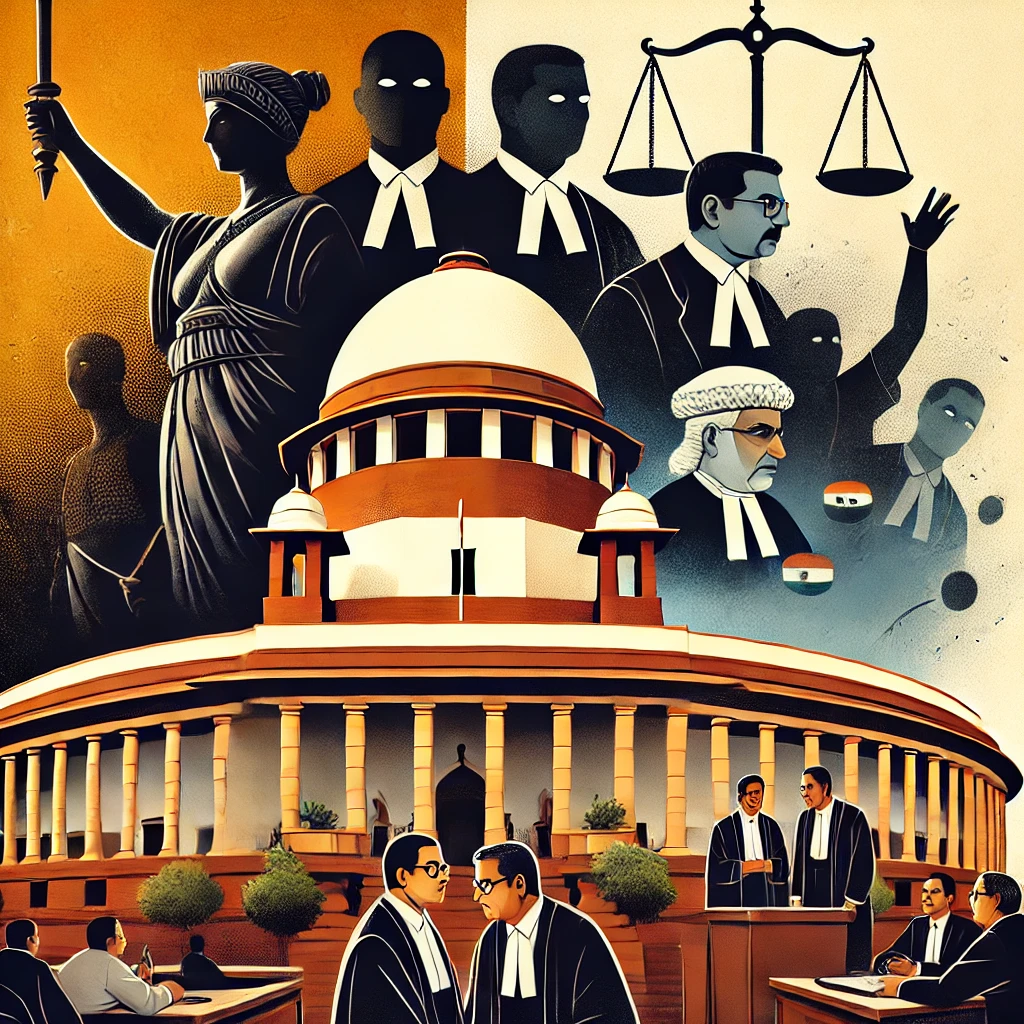
Effective July 1, 2024, The Bharatiya Sakshya Adhiniyam (BSA) came into effect that replaced the Indian Evidence Act of 1872.  The Act (Adhiniyam) has tried to establish a consolidated framework for evidence law to enhance fairness and consistency in trials. This comprehensive legislation marks a major shift toward modernization, ensuring India’s judicial system aligns with the needs of a digital society.

The introduction of the BSA demonstrates a move toward evidence laws designed for the digital age. This act removes outdated colonial language, replacing terms like ‘Vakil’ and ‘Pleader’ with ‘Advocate’ and eliminating obsolete references to entities like the ‘United Kingdom of Great Britain and Ireland.’ Such changes align India’s legal language with modern-day contexts.

In the 21st century, rapid technological developments, including advancements in Artificial Intelligence, have created new challenges for crime tracing and prosecution. The BSA responds by broadening the scope of admissible digital evidence and refining procedures to accommodate technological advancements. This law strengthens India’s criminal justice system with provisions to ensure streamlined delivery of justice through modern methods, without overhauling existing structures.


Electronic Evidence in the Legal System

In 2000, the Information Technology (IT) Act amended the Evidence Act to accommodate electronic records, addressing India’s expanding digital landscape. Before this, electronic records required the presence of the original device in court. Post-2000, this shifted, allowing computer-generated records to serve as primary evidence without requiring the device itself. The BSA builds on these changes, retaining the definition of “primary evidence” while adding clarifications on the admissibility of digital evidence. Section 61 ensures digital and paper records carry equal weight in legal proceedings, while Section 58 expands secondary evidence to allow oral and written digital admissions. Section 62 further clarifies requirements for certificates authenticating digital evidence, bringing consistency to the process.

Key Reforms Introduced by BSA, 2023

Section 2(1)(d): Updates the definition of “documents” to include emails, server logs, cloud data, and digital messages, facilitating handling of modern digital evidence in courts.

-Section 2(1)(e): Expands the definition of “evidence” to include electronically submitted information, permitting remote testimonies from witnesses and other involved parties.

-Section 22: Adds “coercion” as a factor rendering confessions irrelevant, upholding fair trial standards.

-Section 24: Provides that joint trials will proceed even if an accused is absconding, helping avoid delays.

- Section 57: Expands definitions of primary evidence to recognize electronic files across devices as originals, making evidence collection more adaptable.

- Section 138: Allows accomplices to testify, with corroborated testimonies now admissible for convictions.

- Section 165: Limits courts from demanding sensitive communications between ministers and the President, protecting confidential exchanges.

- Repealed Sections: Obsolete provisions like Section 22-A and outdated colonial terms are repealed, removing historical remnants that no longer serve legal purposes.

Judicial Engagement with International Standards

Section 52, paralleling Section 57 of the former Evidence Act, strengthens judicial reach by enabling courts to recognize laws with extraterritorial impact, treaties involving India, and global agreements. This promotes consistency between Indian and international legal norms, enhancing India’s engagement on a global stage.

The BSA is a groundbreaking development, infusing modern terminology and embracing technological advancements to establish a forward-looking legal system. Through provisions for digital records, a focus on fair trials, and international awareness, the BSA exemplifies India’s commitment to evolve alongside societal changes, ensuring justice remains accessible and equitable in an increasingly digital world.


Suresh Tripathi Attorneys: Best Law Advocate in Allahabad Logo
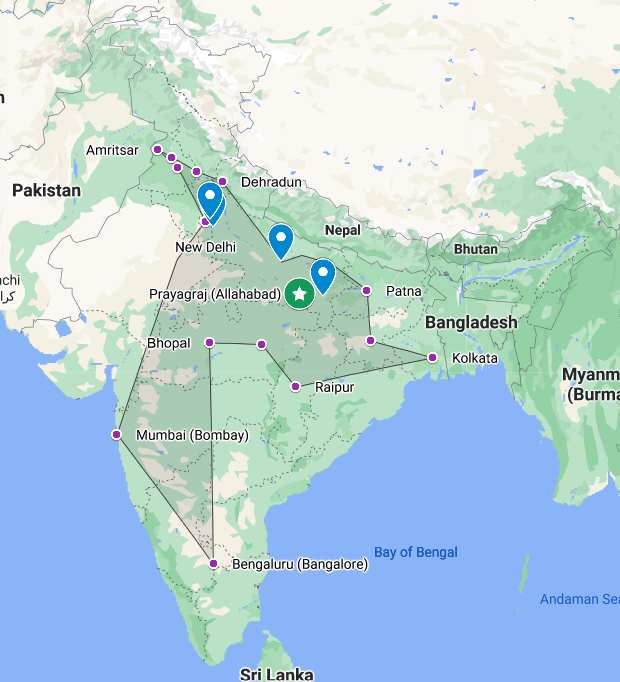
Suresh Tripathi Attorneys: Best Law Advocate in Allahabad Service Locations Map

PRACTICE AREAS

Anticipatory Bail

Arbitration and Mediation

Central Administrative

Civil Law

Competition & Antitrust

Constitutional Rights

Consumer Court Complaints

Corporate Litigation

Covid-19 & Medical

Criminal Defense

Debt Recovery

Divorce Lawyer

Environmental Law

Family Lawyer

Insolvency & Bankruptcy

Insurance & Claims

Intellectual Property

IT Cyber Law

Labor & Employment

Lok Adalat

NCLT

NGOs & Trusts

Personal Injury Accidents

Pro bono

Real Estate & Property

Regulatory & Policy

Renewable Energy Infrastructure

Service Matters

Sports Contracts

Taxation Law

LOCATIONS

Prayagraj/Allahabad

Lucknow

New Delhi & NCR

Noida-Ghaziabad

Mumbai/Bombay

Varanasi

Chandigarh

Amritsar

Jalandhar

Agra

Raebareli

Amethi

Kolkata/Calcutta

Dehradun

Bangalore/Bengaluru

Bhopal

Patna

Ranchi

Raipur

Ludhiana

Jabalpur

Kanpur

Pratapgarh

Sultanpur

The Bharatiya Sakhshya Adhiniyam:Fair Trial in Digital Age

The BSA is a step towards modernizing India’s legal system with digital records, fair trial focus, and global alignment for accessible justice

By Advocate Suresh Tripathi |Published: 2024-10-28


Placeholder article image

Effective July 1, 2024, The Bharatiya Sakshya Adhiniyam (BSA) came into effect that replaced the Indian Evidence Act of 1872.  The Act (Adhiniyam) has tried to establish a consolidated framework for evidence law to enhance fairness and consistency in trials. This comprehensive legislation marks a major shift toward modernization, ensuring India’s judicial system aligns with the needs of a digital society.

The introduction of the BSA demonstrates a move toward evidence laws designed for the digital age. This act removes outdated colonial language, replacing terms like ‘Vakil’ and ‘Pleader’ with ‘Advocate’ and eliminating obsolete references to entities like the ‘United Kingdom of Great Britain and Ireland.’ Such changes align India’s legal language with modern-day contexts.

In the 21st century, rapid technological developments, including advancements in Artificial Intelligence, have created new challenges for crime tracing and prosecution. The BSA responds by broadening the scope of admissible digital evidence and refining procedures to accommodate technological advancements. This law strengthens India’s criminal justice system with provisions to ensure streamlined delivery of justice through modern methods, without overhauling existing structures.


Electronic Evidence in the Legal System

In 2000, the Information Technology (IT) Act amended the Evidence Act to accommodate electronic records, addressing India’s expanding digital landscape. Before this, electronic records required the presence of the original device in court. Post-2000, this shifted, allowing computer-generated records to serve as primary evidence without requiring the device itself. The BSA builds on these changes, retaining the definition of “primary evidence” while adding clarifications on the admissibility of digital evidence. Section 61 ensures digital and paper records carry equal weight in legal proceedings, while Section 58 expands secondary evidence to allow oral and written digital admissions. Section 62 further clarifies requirements for certificates authenticating digital evidence, bringing consistency to the process.

Key Reforms Introduced by BSA, 2023

Section 2(1)(d): Updates the definition of “documents” to include emails, server logs, cloud data, and digital messages, facilitating handling of modern digital evidence in courts.

-Section 2(1)(e): Expands the definition of “evidence” to include electronically submitted information, permitting remote testimonies from witnesses and other involved parties.

-Section 22: Adds “coercion” as a factor rendering confessions irrelevant, upholding fair trial standards.

-Section 24: Provides that joint trials will proceed even if an accused is absconding, helping avoid delays.

- Section 57: Expands definitions of primary evidence to recognize electronic files across devices as originals, making evidence collection more adaptable.

- Section 138: Allows accomplices to testify, with corroborated testimonies now admissible for convictions.

- Section 165: Limits courts from demanding sensitive communications between ministers and the President, protecting confidential exchanges.

- Repealed Sections: Obsolete provisions like Section 22-A and outdated colonial terms are repealed, removing historical remnants that no longer serve legal purposes.

Judicial Engagement with International Standards

Section 52, paralleling Section 57 of the former Evidence Act, strengthens judicial reach by enabling courts to recognize laws with extraterritorial impact, treaties involving India, and global agreements. This promotes consistency between Indian and international legal norms, enhancing India’s engagement on a global stage.

The BSA is a groundbreaking development, infusing modern terminology and embracing technological advancements to establish a forward-looking legal system. Through provisions for digital records, a focus on fair trials, and international awareness, the BSA exemplifies India’s commitment to evolve alongside societal changes, ensuring justice remains accessible and equitable in an increasingly digital world.