Copyright law: Statutory license for radio/TV, not internet.

The Bombay High Court clarified that statutory licenses under Section 31D of the Copyright Act are limited to traditional broadcast platforms.

By Advocate Suresh Tripathi |Published: 2023-10-04


Placeholder article image


The Bombay High Court recently delivered a judgment specifying that the statutory license provided by copyright law is applicable exclusively to traditional broadcasting mediums such as television and radio, rather than internet-based platforms. In this case involving Airtel-owned Wynk and Tips Industries, a division bench affirmed a single-judge's order that prevented Wynk from using Tips Industries' songs without their consent and without paying royalties.

The court clarified that Section 31D of the Copyright Act, which allows for statutory licenses, pertains solely to conventional non-internet-based broadcasting services like radio, television, and stage performances, excluding internet-based services. The decision, dated October 20, 2022, but made public on September 29, 2023, upholds the ruling that Wynk could not exploit Tips' music by claiming statutory broadcasting rights under Section 31D.

Section 31D permits public broadcasting upon notifying the copyright holder and paying specified royalties. The court emphasized that services like radio and television offer content with limited user control, while internet-based platforms like Wynk enable the downloading of digital audio files, which qualifies as commercial rental.

Consequently, the court concluded that statutory licenses under Section 31D do not apply to internet-based services, affirming that they are limited to traditional broadcasting and performances. This legal dispute emerged after negotiations between Wynk and Tips Industries failed, prompting Tips to issue a cease and desist notice. Wynk continued using the songs, leading to a royalty dispute.

Wynk argued that Section 31D did not require case-specific determination of royalties and only necessitated an advance payment for a statutory license. Tips countered that Section 31D was exclusive to traditional broadcast platforms, insisting on contractual consent and royalty payments. The court sided with Tips, noting Wynk's commercial profit motive and refusal to pay the demanded license fees. It upheld the single-judge ruling, emphasizing that Wynk's actions did not align with the intended purpose of Section 31D.


Suresh Tripathi Attorneys: Best Law Advocate in Allahabad Logo
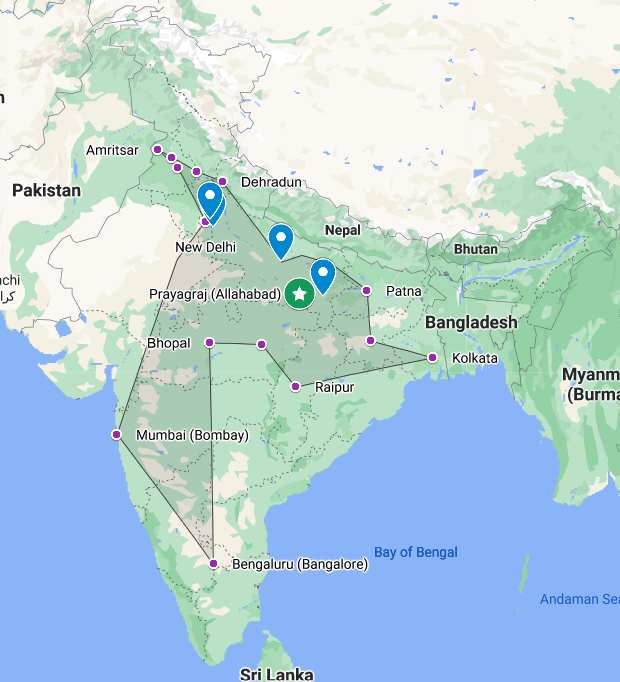
Suresh Tripathi Attorneys: Best Law Advocate in Allahabad Service Locations Map

PRACTICE AREAS

Anticipatory Bail

Arbitration and Mediation

Central Administrative

Civil Law

Competition & Antitrust

Constitutional Rights

Consumer Court Complaints

Corporate Litigation

Covid-19 & Medical

Criminal Defense

Debt Recovery

Divorce Lawyer

Environmental Law

Family Lawyer

Insolvency & Bankruptcy

Insurance & Claims

Intellectual Property

IT Cyber Law

Labor & Employment

Lok Adalat

NCLT

NGOs & Trusts

Personal Injury Accidents

Pro bono

Real Estate & Property

Regulatory & Policy

Renewable Energy Infrastructure

Service Matters

Sports Contracts

Taxation Law

LOCATIONS

Prayagraj/Allahabad

Lucknow

New Delhi & NCR

Noida-Ghaziabad

Mumbai/Bombay

Varanasi

Chandigarh

Amritsar

Jalandhar

Agra

Raebareli

Amethi

Kolkata/Calcutta

Dehradun

Bangalore/Bengaluru

Bhopal

Patna

Ranchi

Raipur

Ludhiana

Jabalpur

Kanpur

Pratapgarh

Sultanpur

Copyright law: Statutory license for radio/TV, not internet.

The Bombay High Court clarified that statutory licenses under Section 31D of the Copyright Act are limited to traditional broadcast platforms.

By Advocate Suresh Tripathi |Published: 2023-10-04


Placeholder article image

The Bombay High Court recently delivered a judgment specifying that the statutory license provided by copyright law is applicable exclusively to traditional broadcasting mediums such as television and radio, rather than internet-based platforms. In this case involving Airtel-owned Wynk and Tips Industries, a division bench affirmed a single-judge's order that prevented Wynk from using Tips Industries' songs without their consent and without paying royalties.

The court clarified that Section 31D of the Copyright Act, which allows for statutory licenses, pertains solely to conventional non-internet-based broadcasting services like radio, television, and stage performances, excluding internet-based services. The decision, dated October 20, 2022, but made public on September 29, 2023, upholds the ruling that Wynk could not exploit Tips' music by claiming statutory broadcasting rights under Section 31D.

Section 31D permits public broadcasting upon notifying the copyright holder and paying specified royalties. The court emphasized that services like radio and television offer content with limited user control, while internet-based platforms like Wynk enable the downloading of digital audio files, which qualifies as commercial rental.

Consequently, the court concluded that statutory licenses under Section 31D do not apply to internet-based services, affirming that they are limited to traditional broadcasting and performances. This legal dispute emerged after negotiations between Wynk and Tips Industries failed, prompting Tips to issue a cease and desist notice. Wynk continued using the songs, leading to a royalty dispute.

Wynk argued that Section 31D did not require case-specific determination of royalties and only necessitated an advance payment for a statutory license. Tips countered that Section 31D was exclusive to traditional broadcast platforms, insisting on contractual consent and royalty payments. The court sided with Tips, noting Wynk's commercial profit motive and refusal to pay the demanded license fees. It upheld the single-judge ruling, emphasizing that Wynk's actions did not align with the intended purpose of Section 31D.